


Gardening is more than just a hobby—it’s a meaningful way to connect with nature, nurture life, and create a greener environment. However, traditional gardening methods often rely on excessive water, chemical fertilizers, and non-sustainable materials. By adopting eco-friendly gardening practices, you can grow a thriving garden that benefits both your plants and the planet. Even… Continue reading Eco-Friendly Gardening Tips: Small Choices That Make a Big Difference
Read More

Natural Fibre Gardenware Environmental Benefits for Sustainable Gardening Natural fibre gardenware’s environmental benefits play a crucial role in promoting sustainable gardening by reducing plastic waste, improving soil health, and supporting eco-friendly growing practices. As concerns about environmental impact continue to rise, gardeners are increasingly choosing natural fibre alternatives such as coir, bamboo, and jute over… Continue reading The Environmental Benefits of Choosing Natural Fibre Gardenware
Read More

At EnGardenware, sustainability is more than a trend—it’s a responsibility. Our products are crafted from natural coir fibers, combining eco-friendly gardening practices with innovative design. By choosing green materials, we ensure that your garden flourishes without harming the planet. Why Eco-Friendly Gardening MattersEco-friendly gardening, also called sustainable gardening, focuses on reducing pollution, conserving resources, and… Continue reading Behind the Scenes: How EnGardenware Products Are Crafted from Natural Fibres
Read More
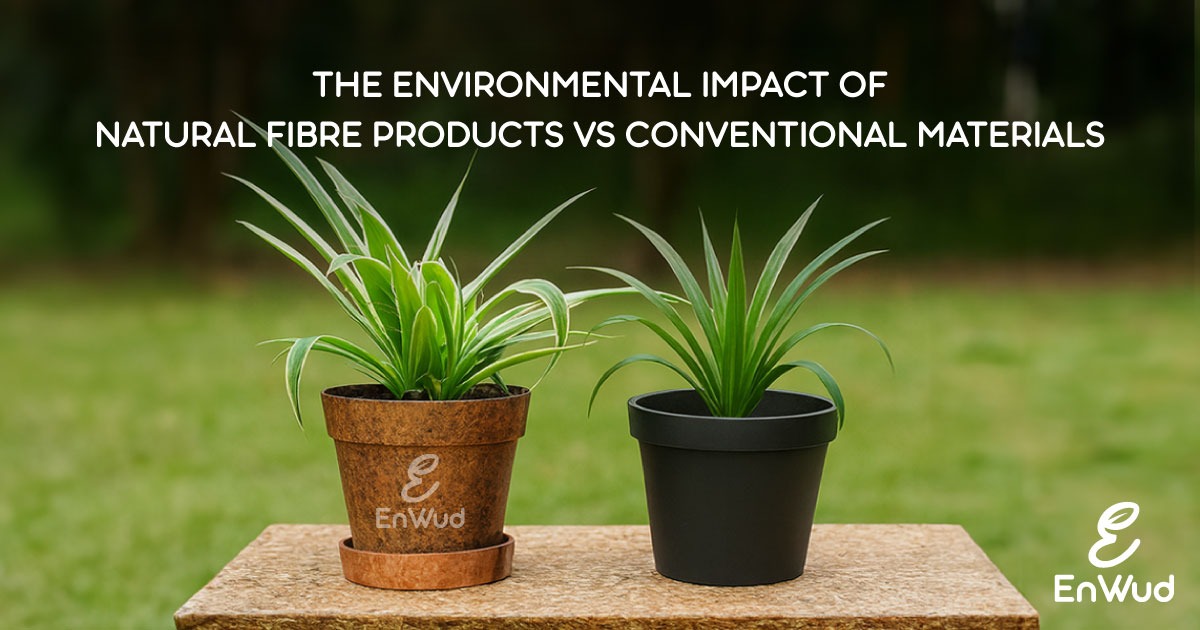
Manufacturers and consumers now prioritise sustainability and choose materials that demonstrate environmental responsibility. When comparing natural fibres vs materials, eco-friendly natural fibres—such as cotton, jute, hemp, bamboo, sisal, and rattan—often provide more environmentally friendly alternatives to traditional materials like metals, plastics, and synthetic fibres. Natural Fibres vs Materials: Why It Matters Traditional materials have supported… Continue reading The Environmental Impact of Natural Fibre Products vs Conventional Materials
Read More
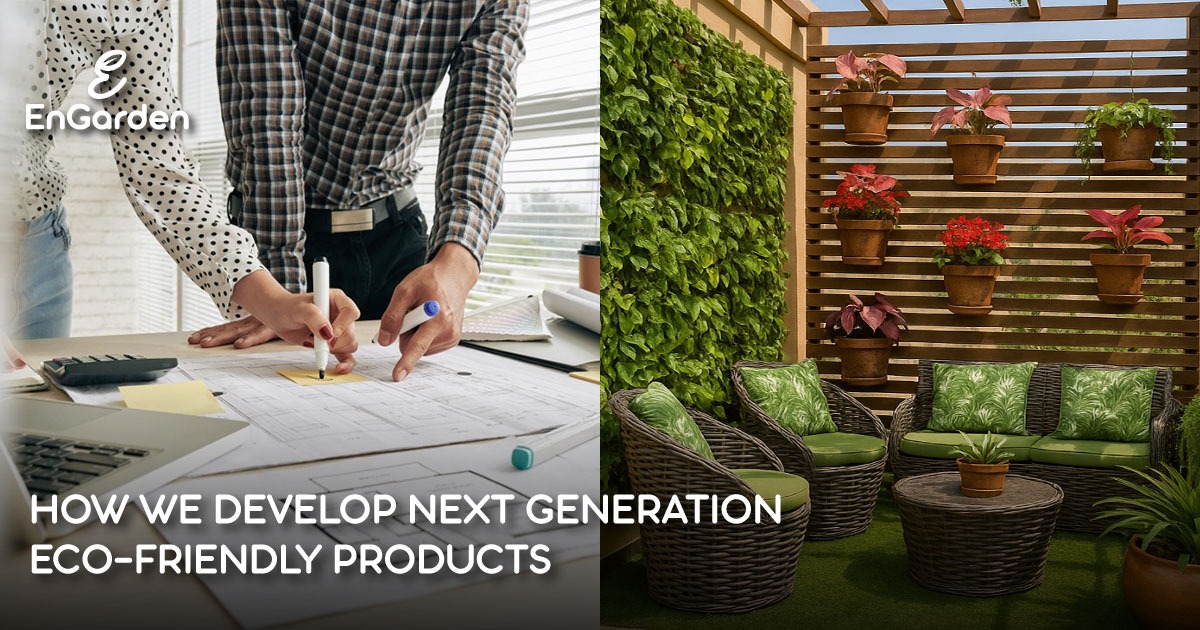
Eco-friendly coir products are becoming essential as the world searches for responsible and renewable material options. At EnGardenware, our goal is to replace conventional timber by transforming coconut coir and other natural resources into long-lasting, sustainable solutions that reduce environmental impact and promote greener living. Why Sustainable Material Innovation Matters Climate change, rising temperatures, and… Continue reading Eco-Friendly Coir Products: How EnGardenware Builds Sustainable Alternatives
Read More
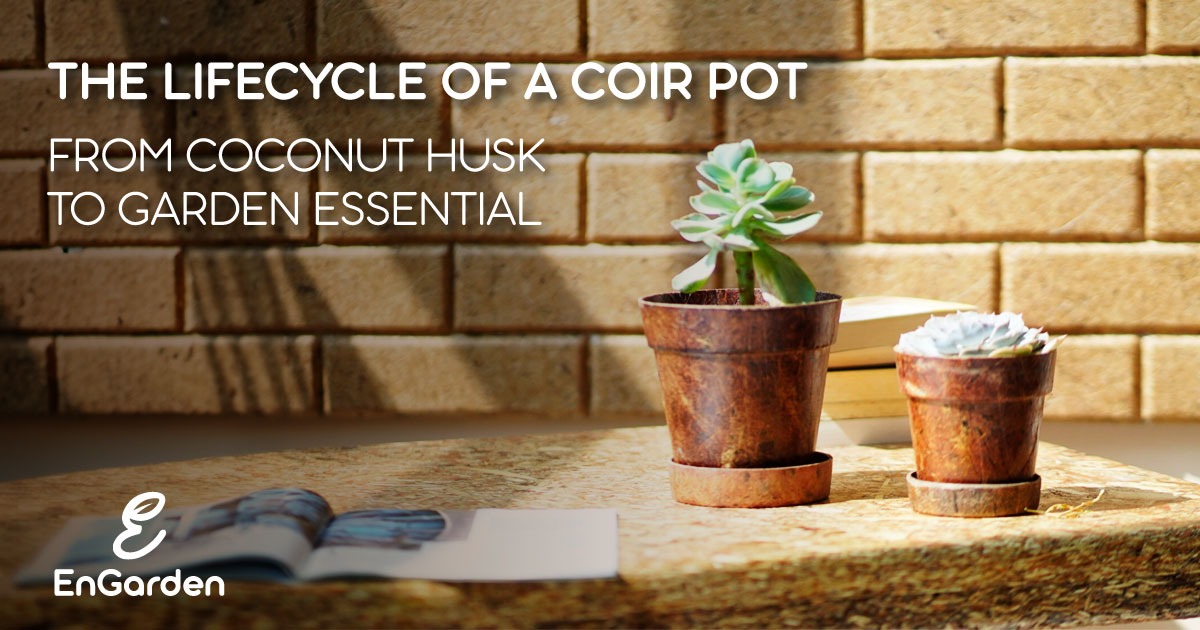
Sustainability today is no longer a choice—it is essential for our survival. One simple yet powerful example is the lifecycle of coir pots. These eco-friendly containers transform discarded coconut husks into biodegradable, plant-friendly pots that reduce waste and promote greener living. In this article, we’ll explore how coir pots are made, their benefits for plants,… Continue reading The Lifecycle of a Coir Pot: From Coconut Husk to Garden Essential
Read More
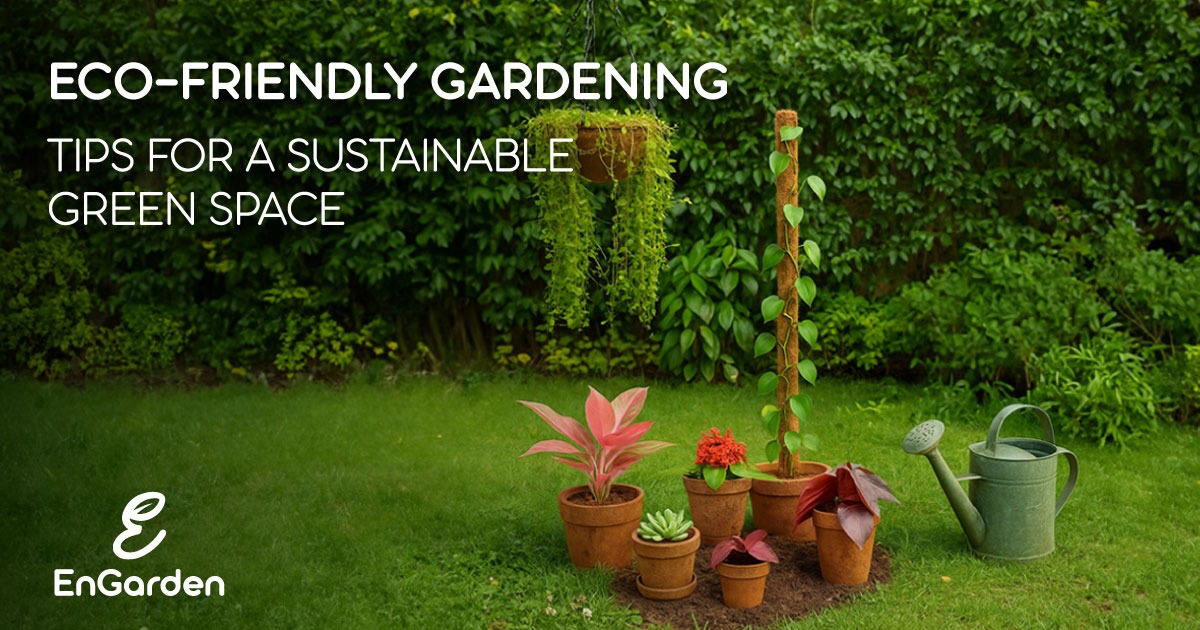
Eco-friendly gardening, also known as sustainable or green gardening, emphasizes methods that reduce pollution, conserve resources, and promote biodiversity. The ecology doesn’t have to suffer to create a lovely garden. Adopting eco-friendly practices can transform a garden into a flourishing, sustainable retreat. Sustainability is no longer an option; it is now necessary for survival. Replacing… Continue reading Eco-Friendly Gardening: Tips for a Sustainable Green Space
Read More

Sustainability is no longer an option—it’s a necessity for our survival. As climate change intensifies and ecosystems face rapid deterioration, individuals and industries are turning to Biodegradable coir pots alternatives that protect the planet. One powerful way to support this shift is by replacing timber and plastic-based products with coconut coir planters—a renewable, biodegradable material… Continue reading Transitioning to Coir: The Benefits of Natural Fiber Pots in Gardening
Read More

Coir-wood, a replacement of timber-wood, is the most self-sufficient materials of the near future to avoid the cutting of trees and promote and encourage further plantation of trees. Use of coir as a replacement for timber is one of the most unique as well as self-obligatory tools to move towards the thought of a sustainable… Continue reading Climate-friendly consumer choices: carbon footprint reduction 2025
Read More

Nature’s circular economy The alarming rise in the application of several pollution-causing materials in all sectors of industry has taken a heavy toll on the quality of the environment. Huge chunks of concrete-framed structures, concrete pavements, and even marine structures of non-eco-friendly concrete and other materials, the utilization of plastic in almost every sphere of… Continue reading The Journey of a Coconut Husk: From Waste to Wonder Material
Read More